1.Contact Configuration and Density
Circular connectors typically have concentric circles for their contacts. Each circular connector usually has fewer pins than a rectangular connector, making them suitable for durability and ease of use, but with lower signal density. Rectangular connectors, due to their grid arrangement, allow for more contacts to be incorporated, making them suitable for multi-channel signal or high-speed data transmission applications.
2. Common Applications
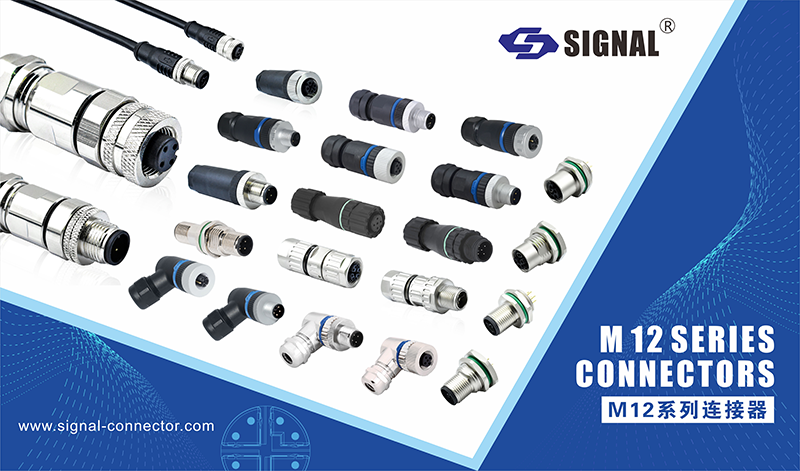
Circular connectors are commonly used in industrial control systems and military equipment, offering shock resistance, high-temperature resistance, and contamination resistance. They feature O-rings and protective housings.
Rectangular connectors are often used in applications where space efficiency and high-density pins are crucial, such as automotive electronics, networking devices, and consumer products.
3. Environmental Protection
Circular connectors generally offer superior sealing performance. Their circular design, combined with O-rings or gaskets, effectively protects against dust, water, and chemicals. Many meet IP ratings and military standards.
Rectangular connectors can also be sealed, but require more design engineering to achieve the same level of protection.
4. Durability and Mechanical Strength
Circular connectors perform better under frequent mechanical stress. Their durability is key to their cylindrical design, which evenly distributes external forces, reducing stress concentration and the risk of breakage over long-term use.
Furthermore, circular connectors employ robust engagement methods such as threaded locking or bayonet locking, significantly improving mechanical stability. These locking mechanisms ensure a secure connection, preventing detachment even under torque, tension, or impact. The materials used in these connectors (such as metal alloys or reinforced plastics) are also specially selected to enhance wear resistance and fatigue resistance.
While rectangular connectors are not inherently fragile, their mechanical structure prioritizes different aspects. Their planar design facilitates integration in high-density systems but may limit structural strength.
Their four corners can become stress concentration points. Therefore, without housings or robust mounting protection, they may perform worse than circular connectors under continuous vibration or rough handling.
It is worth noting that some rectangular connectors are also equipped with reinforcing designs such as locking mechanisms, stress relief devices, or metal shields. While these designs enhance durability, overall, they are still less suitable than circular connectors for handling extreme mechanical and environmental stresses.
5. Ease of Connection and Disconnection
Circular connectors are designed for easier mating and disassembly, especially when using bayonet or push-pull locking mechanisms. Users can simply rotate or press to complete the connection.
This is a significant advantage in industries requiring frequent maintenance. Its quick-disconnect capability reduces repair time and the probability of errors. In contrast, as mentioned earlier, most rectangular connectors require mechanisms such as latches, levers, or guide rails for connection. While these methods are safer in some situations, they typically require more space and effort for installation or replacement.
6. Customization and Modularization Capabilities
Due to accommodating more pins, rectangular connectors offer greater flexibility in modularity than circular connectors. Through replaceable modules, different mounting styles, and stackable designs, they provide unparalleled customization capabilities.
While circular connectors offer various configurations, their layout flexibility is relatively limited once the housing size and pin count are selected. The main variations largely stem from differences in housing size, contact material, or locking mechanism.
Therefore, if your product emphasizes design flexibility, rectangular connectors offer greater room for choice and customization.