Connectors chosen for different applications vary greatly, generally falling into two main categories: plastic connectors and metal connectors. To ensure the selection of the appropriate connector, understanding the advantages and disadvantages of each type is crucial. Below, SIGNAL will primarily explain the advantages and disadvantages of plastic and metal connectors.
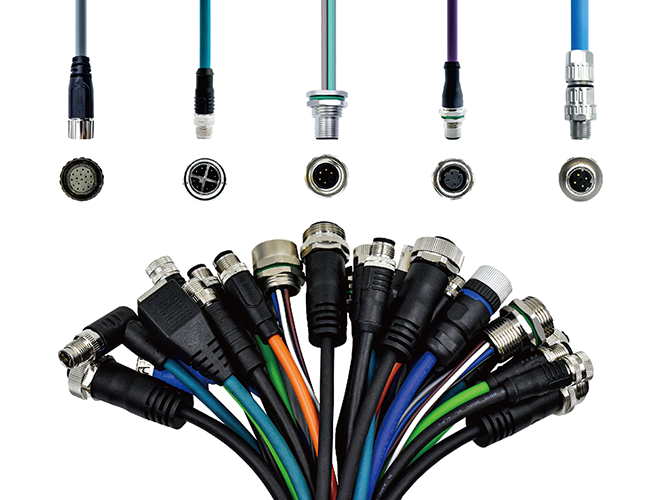
Advantages of Plastic Connectors:
1. Plastic connectors are more flexible.
2. Plastic connectors offer more customization options.
3. Plastic connectors offer better ergonomics.
4. Plastic connectors are lighter than metal connectors.
5. Lower cost per plastic connector.
6. Quick connection of plastic connectors provides easy service and maintenance.
7. Plastic connectors can be color-coded for easy identification.
Disadvantages of Plastic Connectors:
1. Plastic connectors may break/fracture faster than metal connectors.
2. Not all types of plastic connectors are suitable for laboratory/industrial applications.
3. Prolonged exposure to high temperatures or direct sunlight may cause the plastic in some types of connectors to lose its function, leading to cracks and deterioration.
Advantages of Metal Connectors:
1. Metal connectors can withstand high temperatures.
2. Metal connectors are very durable.
3. Metal connectors may require stainless steel in food-grade/sterile environments.
4. Metal connectors are better able to withstand some corrosive chemicals than plastic connectors.
Disadvantages of Metal Connectors:
1. Each metal connector is more expensive.
2. Metal connectors are heavier than plastic connectors.
3. Plastic connectors are gradually replacing metal connectors, including in laboratory and broad-spectrum industrial environments.
4. Metal connectors may rust in marine environments or after prolonged exposure to humid environments.
5. Despite some traditional limitations of plastics, new plastic compounds are increasingly able to meet industrial requirements in many harsh environments, and plastics are gaining traction even in some of the most demanding professional applications.